What a fill power figure tells you about a Pioneer Camp down jacket, and what it does not
A jacket at 850 fill is not automatically warmer than one at 650, and the number is the single most misread figure in outdoor clothing. What fill power measures, why a long parka at 650 beats a short shell at 850, where synthetic fill wins outright, and why no card on this site carries a temperature rating.
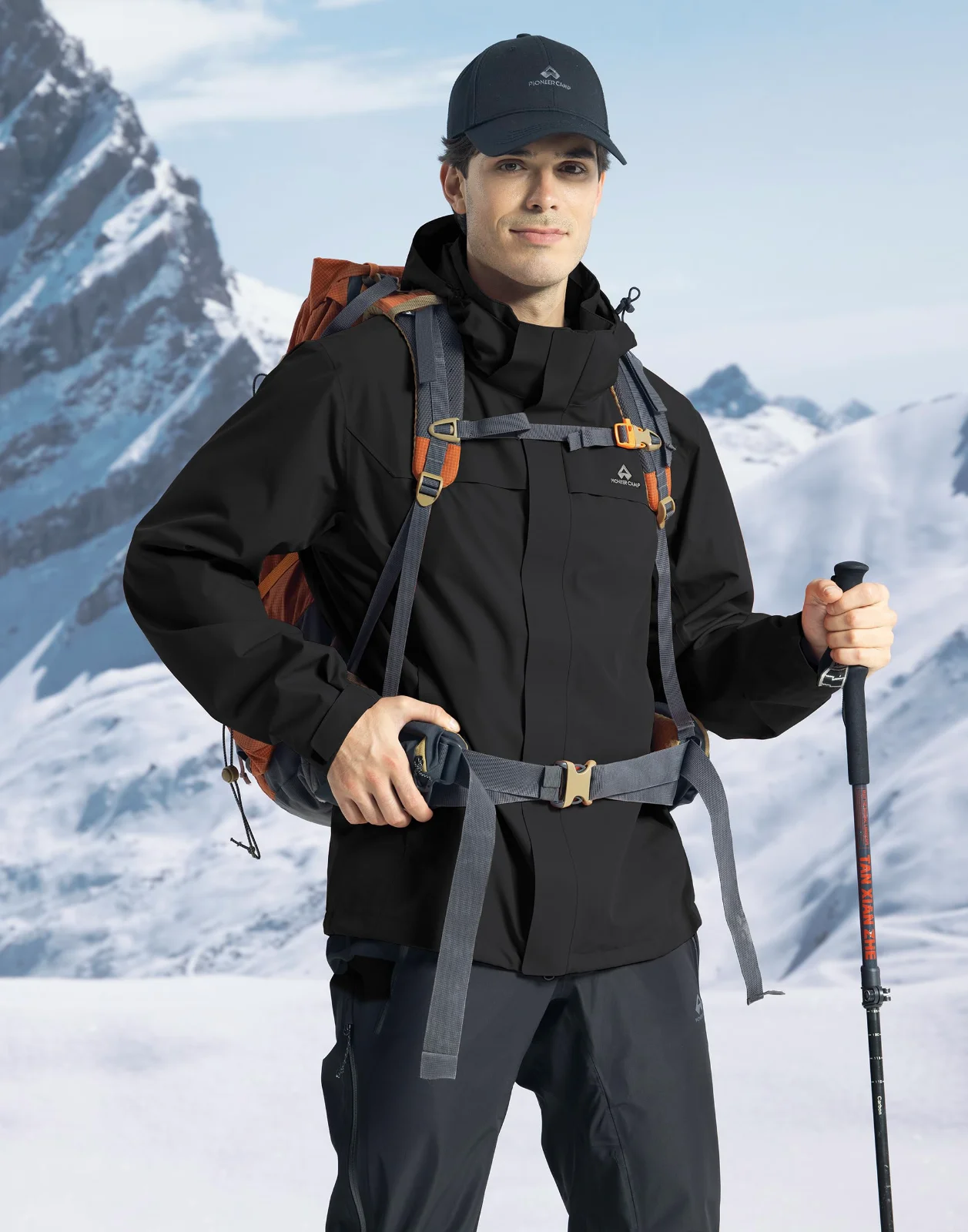
The number everyone reads first, and reads wrong
Pioneer Camp has made outdoor clothing since 1999. Over time one particular number has picked up a mythology of its own: fill power. You will often see a high fill power advertised as if it were a single shorthand for warmth. That is the misread. Fill power tells you about the loft of the down, not directly about the heat inside your jacket.
When you choose a jacket you are choosing a combination of factors: the loft of the fill, how much of that fill there is, the length and cut of the garment, and how the face fabric behaves in damp or windy conditions. Customers often glance at an 850 figure and assume it is warmer than a 650 product. The truth is more complicated. An 850 fill in a light packable shell will not trap as much total air as a long parka filled with larger volume of 650 down. The parka can be warmer because there is simply more down.
Fit matters too. A close fit that compresses the insulation reduces loft and reduces the trapped air that does the insulating work. A long parka that keeps air in pockets around your torso will perform differently from a short, compressible jacket. What decides it is how the jacket is cut, how much fill it contains, what the face fabric does when wet, and whether the shell is designed to pack down for travel. All of those details affect how a jacket performs in the conditions you plan to meet. We aim to surface those details so you can decide for yourself, and not to let a single number do the deciding.
What the figure is actually counting
Fill power is a measure of loft. The phrase means how many cubic inches one ounce of the down fills. A higher fill power indicates more trapped air per unit of weight. That trapped air is the working part of the insulation. It is the pockets of air inside the down cluster that slow heat loss from your body. If two samples have the same weight but different fill power, the higher-fill sample will trap more air and therefore insulate more for that weight.
Think of two sponges of the same weight. One is finer and puffs up more; the other stays denser. The puffier sponge will contain more air and block heat flow better for the same weight of material. Higher fill power is what allows some jackets to be lighter and more packable while still providing insulation. That is why our higher-fill jackets are cut light and packable in the Pioneer Camp range.
Fill power does not measure durability, water resistance, or the eventual warmth of a complete garment. It also does not say how down behaves when wet. Down loses its loft when it is soaked and it stops insulating until it is properly dried. Those are separate issues that you should balance against fill power when choosing a jacket. The label on a single jacket will tell you the fill power and sometimes the fill weight. Both numbers matter for performance. When designers combine high fill power with a suitable fill weight, they aim to hit a target for warmth relative to weight and pack size. Fill power reads best as one useful figure among several that determine how a jacket will perform for you.
A long parka at 650 against a light shell at 850
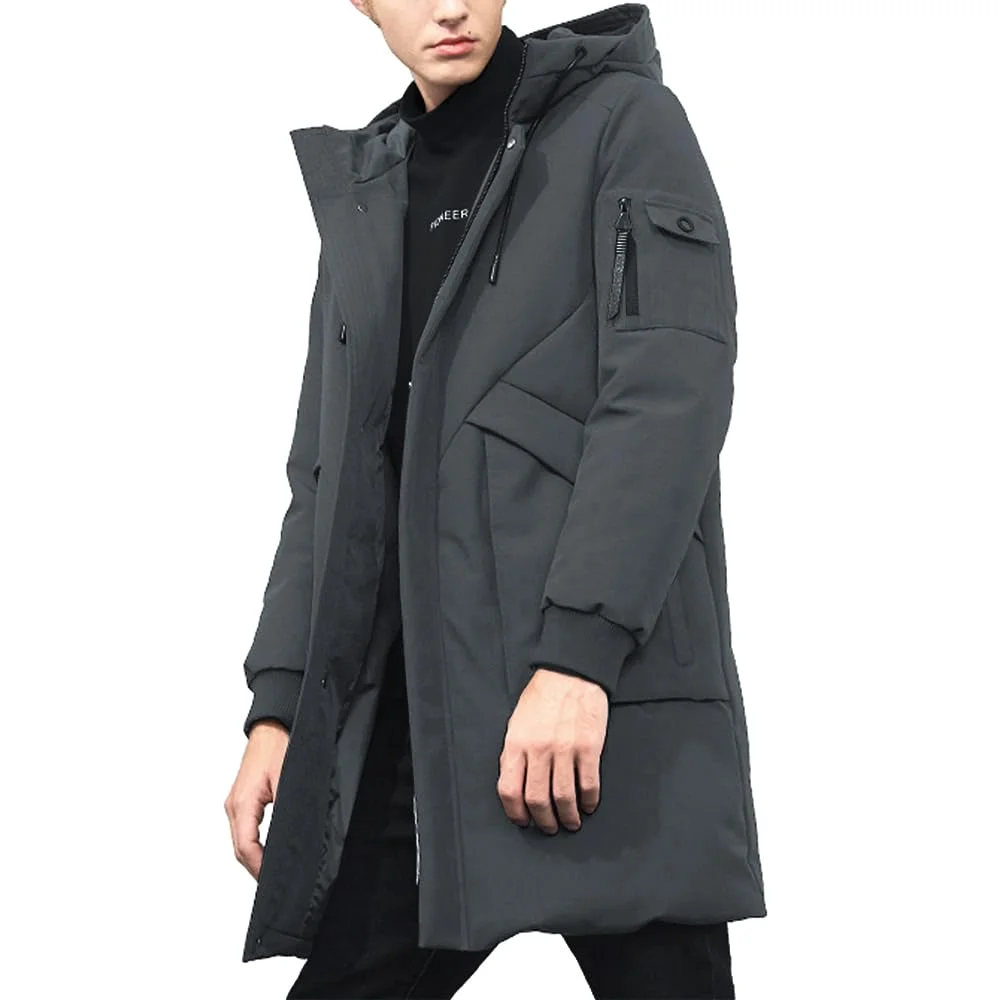
A common comparison helps to make the point: a long parka at 650 fill can hold far more down, and therefore more heat, than a short packable shell at 850. The long cut adds volume and it also keeps your core and upper legs covered. That extra volume translates to more ounces of fill. More ounces at a lower fill power can equal, or exceed, the insulating effect of a smaller quantity at a higher fill power.
Our parkas are cut long, with seven or nine pockets, and they do not pack down. Those parkas are designed for days when you want coverage and storage rather than compressibility. By contrast the high-fill jackets in the range are cut light and packable. Their advantage is low weight and small packed size, which is useful for travel or for carrying in a daypack. The trade off is that a very compact jacket cannot contain as many ounces of down as a larger parka. That trade off exists even when the compact jacket uses 850 fill.
When you compare garments, ask how much fill is inside, and what the cut does to the space available for that fill. Also check the face fabric and the intended use. Most of our insulated jackets carry a water-resistant face, not a waterproof one. That choice affects how the down behaves in damp weather. A jacket that pounds out more ounces of 650 down may be warmer on a damp, calm day than a thin 850 jacket that compresses against your back. Decide whether you need packability or coverage, and choose the quantity of down accordingly.
| What it is | What it is best at | What it is worst at |
|---|---|---|
| High-fill, light packable (850) | Low weight and small packed size | Holding large quantities of fill for extended warmth |
| Lower-fill, long parka (650) | Coverage, storage and total heat when filled heavily | Packing down small for travel |
| Synthetic fill, including PrimaLoft | Insulating when damp and quicker drying | Achieving the same warmth-to-weight ratio as high-fill down |
Down or synthetic: let the forecast decide
Pioneer Camp carries goose and duck down at fill powers from 650 to 850, and synthetic and PrimaLoft fills alongside them. Each material has clear strengths. Down is lightweight for the warmth it can provide; that is why high-fill pieces are so packable. Synthetics lose more to bulk for the same warmth-to-weight, but they continue to insulate when damp. Down loses its loft when it is soaked and stops insulating until it is dried properly. That difference matters in wet climates or during activities where you may get damp.
Do not choose by month. Weather is the practical variable. If you expect long, dry cold and you need the lightest option for backcountry travel, a high-fill down piece will likely be advantageous. If you plan to be active in wet conditions, or you want a jacket that will keep insulating when damp from sweat or drizzle, synthetic fill is the sensible choice. Many of our jackets blend considerations. Some pieces use synthetic insulation in body areas exposed to moisture and down in the places where weight matters most.
Think about the entire system you will wear: base layer, insulating layer or layers, and an outer shell. The CDC advises several loose layers rather than one thick one for working in cold. Layering helps you control moisture from exertion and gives you flexibility as conditions change. A synthetic midlayer can manage damp, while a down outer insulating layer still holds a great deal of warmth in dry conditions. Check the product details for which fill is used where, and plan based on how wet or dry your activity will be. That approach will serve you better than picking by a calendar date.
Wind decides the day, not the thermometer
Wind is a multiplier of heat loss. The US National Weather Service defines wind chill as how cold exposed skin feels, computed from the rate of heat loss the wind causes. Its chart puts 0 degrees Fahrenheit with a 15 mph wind at a wind chill of minus 19, with exposed skin able to freeze in about thirty minutes. Those numbers are about exposed skin. For clothed people the effect is still real: wind increases convective heat loss and can reduce the effective insulation of a garment.
A single thick jacket that traps a lot of air will protect you until the wind works that trapped air out through movement and drafts in the face fabric. Most insulated jackets in our range carry a water-resistant face, not a waterproof one. Those faces shed light moisture and slow the wind, but they are not impermeable membranes. If breeze finds gaps at the cuffs, collar or zippers, heat will escape more quickly than the fill alone can resist.
Layering gives you control. Start with a close, moisture-wicking base layer. Add a loose insulating layer that keeps its loft around your torso. Then add a shell that cuts wind and sheds moisture. Loose layers trap more air than a single compressed mass of insulation, and you can remove or rearrange layers to regulate heat when the wind eases. The CDC writes about working in cold and recommends several loose layers rather than one thick one. That guidance matches how wind and movement alter thermal performance in the real world.
Activity level matters too. If you are moving and generating heat, a heavier single piece may cause overheating and moisture buildup. If you are stationary and exposed to gusts, a parka with more fill and a good shell will feel better. Balance the layering approach against the typical winds and activity you expect, and you will get a more reliable outcome than by relying on a single number printed on a tag.
Why you will not find a temperature on a card here
We print product specifications like fill power, fill type and cut. We do not give a temperature rating. Temperature ratings attempt to reduce a complex set of variables into a single figure, and that simplification can mislead. Warmth depends on the weight of the fill as well as the fill power, the cut and length of the jacket, whether the garment packs down, and whether it has a water-resistant or waterproof face. It also depends on how you layer beneath the jacket, your activity level, wind conditions and whether the insulation becomes damp.
Our range includes high-fill light packable jackets and long parkas with seven or nine pockets. Sizes run XS to 3XL on most of the range. Those choices change how a jacket performs on a given person. The same jacket will feel quite different on two bodies because fit and movement alter compression of the fill. Wind chill as defined by the National Weather Service shows how quickly exposed skin can cool under wind; that same wind makes a jacket less effective if it can penetrate or if you are not layered correctly.
Giving a single temperature number would be a promise about performance in conditions we cannot control. We avoid that promise deliberately. Instead we provide the fill power, the fill type, the garment cut, and other specifications so you can match the product to your planned use. If you prefer guidance, look for the combination that fits your activity, your tolerance for weight and packability, and whether you need insulation that still works when damp. The facts and the product details let you make that choice with your needs in mind.
More of this sort of thing is in Field Notes, the people at Pioneer Camp keeps the whole range one click away on the front page, and the sources behind every sun and label claim are listed on how we update the catalogue.
This article is general information about how insulated clothing is rated and about what public weather and occupational-health bodies say regarding cold. It is not medical advice and not a promise about any one garment. No page on this site gives a temperature rating, and nothing here should be read as saying a jacket will keep anyone safe in cold weather.